
Category: Science Learning + Social-Emotional Learning (SEL)
Best for: Ages 4–10 (Adult-guided)
Use case: Classroom calm corner, bedtime routine, emotional regulation tools
Why Combine Breathing Science With Emotional Skills?
Children often learn “how to calm down” as a behavior rule—but not as a body-based skill. Teaching the respiratory system through storytelling helps adults explain that breathing is not just something we do—it’s something that supports:
- oxygen and energy
- focus and learning
- emotional regulation
- resilience during frustration or anxiety

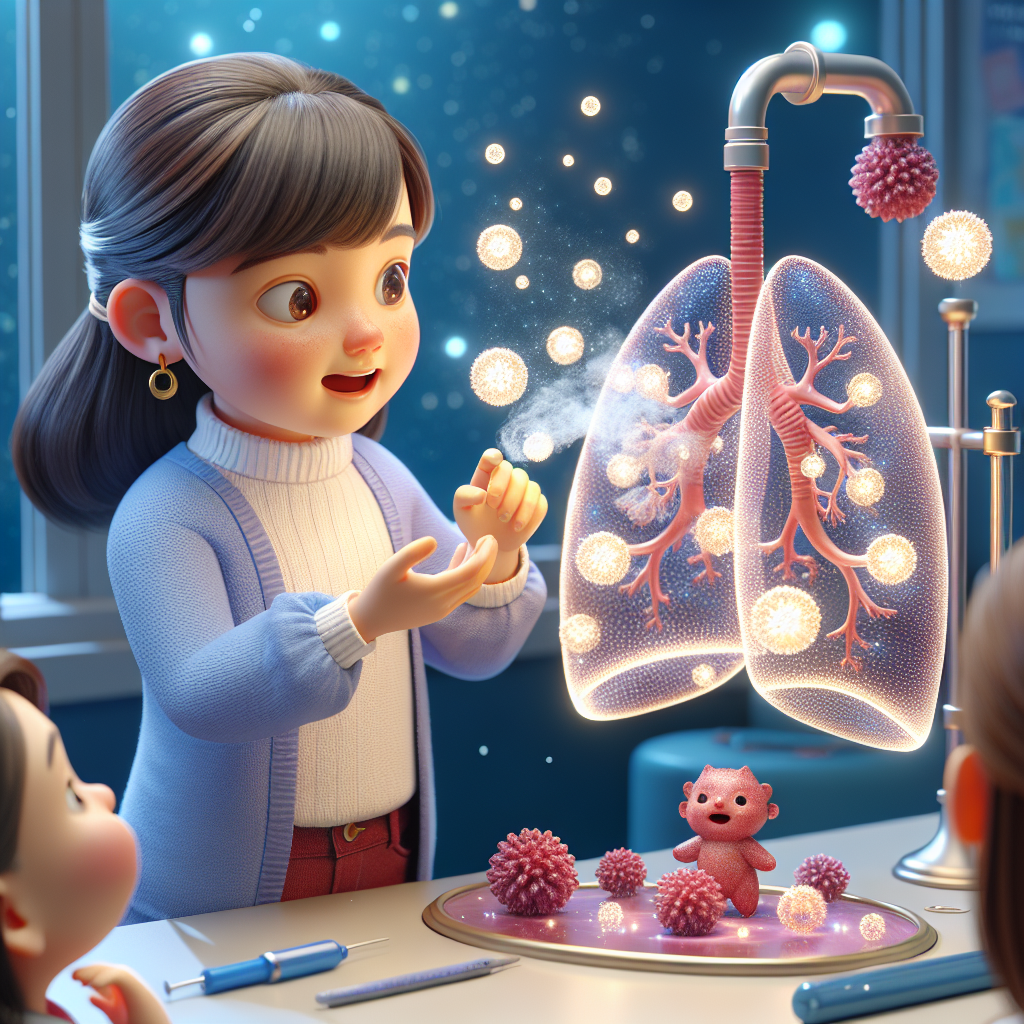
The story Emily & Airy works especially well because it teaches anatomy and function while offering a practical calming routine.
Want to teach it through a fun story? 💜Watch the full Story + Activity Pack on our YouTube channel!
Scientific Accuracy
The story includes key respiratory system structures and processes in an age-appropriate way.
1) Nose: Filtering and Preparing Air
Breathing through the nose helps filter dust and particles and prepares air before it travels deeper into the body.
Teaching tip:
Use “nose = filter + warm air helper.”
2) Trachea: The Main Airway
The trachea is the tube that carries air down toward the lungs.
Teaching tip:
Use a simple straw or paper tube to demonstrate airflow.
3) Bronchi: Two Pathways Into the Lungs
The trachea splits into two bronchi—one to each lung.
Teaching tip:
Draw a “Y-shape” and label it together.
4) Lungs: Expansion and Breathing Mechanics
Lungs expand and contract as we breathe in and out.
Teaching tip:
Use a balloon metaphor carefully: “soft and stretchy,” not “ready to pop.”
5) Alveoli: Where Gas Exchange Happens
Alveoli are tiny air sacs where oxygen moves into the bloodstream and carbon dioxide moves out.
Teaching tip:
Use a simple explanation: “oxygen goes in, used air comes out.”

How to Use This Story in Teaching (Step-by-Step)
Step 1: Read the story with calm pacing
This story works best when read slowly.
Step 2: Highlight cause and effect
Ask:
- “What happens when oxygen enters the blood?”
- “Why does the body need to breathe out?”
Step 3: Add a simple science anchor sentence
Use one sentence repeatedly:
“Breathing brings oxygen in and lets used air out.”
Step 4: Teach the 3-breath strategy
This turns the story into a real skill children can use.
Practical Classroom / Home Routine
“3 Calm Breaths With Airy”
Use this during transitions, frustration, or before learning:
- In through the nose (count 1–2–3)
- Out through the mouth (count 1–2–3–4)
- Repeat 3 times
Adult script (simple + effective):
“Let’s breathe with Airy. In… and out… We’re safe. We can try again.”
🎬 Watch the full Story + Activity Pack on our YouTube channel and use it for learning at home or in class.
Discussion Prompts (For Adults to Guide)
- What part of the breathing journey helps the body get energy?
- What is the job of the lungs?
- When do you think slow breathing can help your brain learn better?
- What would you say to a friend who feels frustrated?
Activity: Draw the Breathing Path
Goal: reinforce structure and sequencing
Draw and label:
Nose → Trachea → Bronchi → Lungs → Alveoli
Then add two arrows:
- Oxygen → into the blood
- Carbon dioxide → out of the body
Extension (for teachers):
Have students explain the path using their own words.
Why This Works (Science + SEL Together)
This method supports:
- science understanding through story structure
- emotional safety and self-regulation skills
- vocabulary learning (especially for multilingual learners)
- parent-child connection and co-regulation
practical tools teachers can use immediately
Final Note for Adults
Children don’t just need information—they need experiences that make learning feel safe and meaningful.
Story-based science learning helps them understand their bodies while building confidence, calm, and curiosity.
Ready to try it with kids?▶️ Watch the complete Story + Activity Pack on our YouTube channel.